
From Field to Fire: The Art of Grilling in Spain
You may not think of Spain as one of the best places in the world to eat meat, but it is. Spaniards are carnivorous at heart, eating all parts of the local domesticated animals with enthusiasm and in various preparations. There’s one kind of meat cooking that stands above all others in Spain, however: fire cooking. All over the country, but especially in the northern half, the finest cuts of meat are cooked using nothing more than fire and salt. Whether it’s on a grill in the Basque countryside, a wood-fired oven in Castilla y León or over coals in Madrid, the art of cooking beef, lamb and pork with fire is deeply embedded in Spain.
Today, restaurants specialized in grilling meat are among Spain’s greatest gastronomic attractions. Asador Etxebarri, in a Basque hamlet, drew international attention with tasting menus cooked entirely on grills by its self-taught chef. The traditional grilling specialists of the country and city have never stopped practicing their art for demanding customers, while young culinary talents have embraced fire as an authentic form of cooking and a way to get the best out of the top-quality meats so available in Spain. As the fine dining world has moved away from the molecular, grilling has become a point of pride across Spain and especially in the rural areas where it originates.
What’s Cooking?
Before you can get excited about grills and coals and ovens, it’s important to examine what’s going to get cooked here. Spain’s meat culture revolves around three main animals: beef, pork and lamb.
Pork is the most consumed, but the least popular for grilling since much of Spain’s pork goes to make the beloved hams, chorizos and other cured delicacies. The exception is cochinillo, a specialty of Segovia north of Madrid consisting of a whole roast suckling pig. The king of the grill is beef, and the king of beef is the chuletón, a beast of a steak that’s thick and marbled enough to shine when cooked over wood or coals. Lamb is a specialty of some of Spain’s most rural and remote areas. You’ll find whole roast baby lamb (lechazo) throughout Castilla y León, while chuletitas de cordero (lamb chops) are especially popular in wine country grilled over vine cuttings.
Beef: Chuletón
The chuletón has a mystical place in Spanish meat culture. While Argentine beef lovers grill up all kinds of cuts of beef, in Spain many a grill house serves only this cut of beef. So what is a chuletón? The cut is a beef rib, containing the ribeye as well as surrounding meat and typically left on the bone. It’s a big piece, usually weighing in at 2-3 pounds, and you’ll need to order the whole thing. Top Spanish beef producers tend to work with older cows, resulting in a larger and more flavorful chuletón. Restaurants will then dry-age the meat for long periods to deepen the flavor further (a display of aging ribs is all the curb appeal many a grill-house needs). A note is required here: Spaniards eat their chuletón very rare, so even an order of medium-well will get you a fair amount of red. Restaurants will slice the steak perpendicular to the bone, so all you have to do is tuck in.
As far as the animal itself, Spain does things a little differently from the beef-loving US. As mentioned above, Spanish beef of the sort used for chuletón usually comes from cows that are much older than you might be used to. The breeds are native, with the Rubia Gallega (from Galicia), the Avileña (from Ávila) and local breeds of the Basque Country especially popular. The breed, age and usually grass-fed diet make for a powerful and exceptional beef. The area around Ávila is especially known for chuletón sourced from large, powerful oxen, and you’ll see ox steaks (buey in Spanish) on offer in many areas of Spain.
Lamb: Lechazo & Chuletitas
Spanish lamb is a different beast, quite literally. What’s so special about it? One is the breeds, with Spain’s top-quality lamb coming from local breeds that have been raised for centuries. The next is the special migratory feeding that Spanish sheep participate in: the transhumancia. Shepherds move their herds long distances across Spain seasonally to allow their sheep to feed where the climate allows. Most distinctively, however, is what lamb means in Spain. Lechazo (etymology leche: milk) refers to suckling (milk-fed) lambs, and lechazo is the finest lamb in Spain. Even cordero (lamb) is younger than what you might find in the English-speaking world. Lechazo is a specialty of Castilla y León, with the rural provinces of Valladolid and Burgos having particular fame for the quality of their meat and the restaurants serving lechazo. The lambs are roasted whole in wood-fired ovens and are natural partners of the strong red wines of Ribera del Duero.
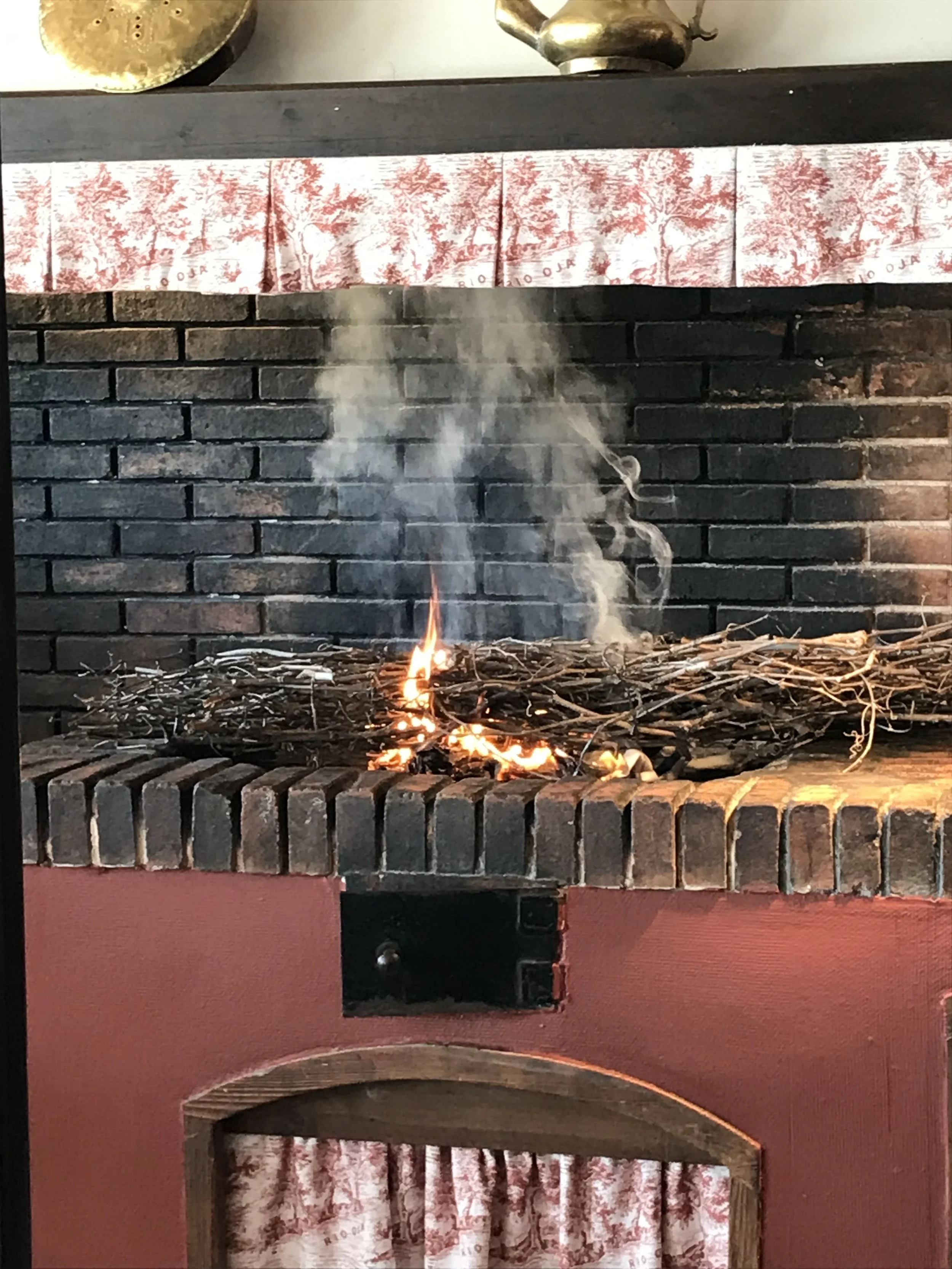
Another lamb specialty is chuletitas (little chops), often also sourced from lechazo lambs. A real delicacy, chuletitas are grilled and have a strong association with wine country in areas like Rioja. Since the migrating sheep pass through Rioja, lamb is popular in the area, and a typical festive vine grower’s meal includes chuletitas grilled outdoors over vine cuttings.
Cochinillo: The Most Delicate Pork
Pork isn’t often grilled in Spain, but one of the country’s most iconic delicacies is cooked in wood-burning ovens outside of Madrid, especially in the historic city of Segovia: cochinillo. Cochinillo is to pork what lechazo is to lamb: a milk-fed piglet roasted whole in the oven. The meat is so tender that restaurants will cut the cochinillo with a dining plate. Impossibly rich, the dish is so good that visitors and Madrileños will make the hourlong trip to Segovia just to have lunch at one of the local spots serving it. Of course, grilling specialists will happily cook pork on their fire, with a special place in many Spanish hearts for chorizos or the Basque variant chistorras blistered by flames.
Grilling The Sea
Here, a side note is needed. Though grilling is most associated with meat, Spanish cuisine often grills things from the sea, and very well at that. The most famous sea grilling is in Getaria and other villages along the Basque coast, where fishermen made grilling whole fish from the cold Cantabrian waters into a gourmet dish. But there’s no reason to stop there, and classic seafood spots all along the Spanish coast happily grill lobsters, shrimp, clams, and all shapes and sizes of sea creatures to great effect. Fine dining restaurants, in particular, have seen that grilling seafood can elevate the excellent Spanish product even further.
The Ways of Fire
The Spanish grilling restaurant comes in many forms, depending on where in the country you are and what kind of spot you’re dealing with. The most common term, and a good one to look for is asador (asar-to grill; asador-person who grills or place that grills). What exactly you find there will vary. Expect to see a large grill or series or grills, made of metal and extended over coals and burning wood. You’ll see flames shooting up from the fire, licking the steaks, in some cases. In others, milder coals are at work. Each asador or grill master has their own style. Some grill masters work with adjustable grill racks so that each meat can be kept at the optimal distance from the heat.
For most of us, it’s best to order light appetizers before tucking into nearly three pounds of grilled steak. On the side? The best option is grilled peppers, whether the sweet red peppers common in Navarra or the savory green ones popular in Galicia and the Basque Country. Wine? Classic Rioja is a safe bet, as are any of the new-wave Garnacha reds made in northern Spain. Ribera del Duero can be a bit much, but expect plenty to be available anywhere a juicy chuletón is served. Experienced chuletón lovers will have a whole meal, sometimes including multiple dishes of appetizers, seafood, even whole fish before getting to the meat!
If you walk into a restaurant specialized in lechazo or cochinillo, you’re sure to see the line of ovens. The lambs or piglets, often preordered, will be waiting in their clay pans to be put in. What you see is what you get: these are not places to get many appetizers, because the young animals are so rich you’ll be stumbling out if you don’t come truly hungry. When eating lechazo, the locals will order the same menu: morcilla de Burgos (local black sausage), green salad, lechazo. The meat, lechazo and cochinillo both, is meltingly tender and begs for a rich red wine. Expect to lean back in your chair dreaming of the postprandial.
Where to Eat What
The Basque Country is chuletón central in Spain. Locals will make their way out of the city to restaurants in the countryside, often in former Basque farmhouses. Here you’ll find traditional, well-prepared Basque dishes including seafood, country vegetables and more to whet your appetite before the main event: chuletón from local breeds of Basque cows. It’s from one of these restaurants that Asador Etxebarri (1 Michelin star) came to be, now considered one of the best restaurants in the world. In the Basque cities, there are superb parrilleros, such as those of hilltop Kate Zaharra in Bilbao. For the pescatarians, Getaria lies just outside San Sebastian on the Basque coast and is home to many restaurants serving grilled fish and seafood, though many beef-focused restaurants work with fish as well for a fully grilled meal.
Asturias and Galicia, in Spain’s green Northwest, produce top-class grass-fed beef and love to grill it as well. In Galicia, the seafood-loving culture combines with the chuletón for a real feast. At Asador O Pazo, a family-run Michelin star restaurant in Padrón near Santiago de Compostela, you can eat a wide-ranging menu packed with grilled seafood and fish before a monumental steak. The traditional eateries of the coast and interior work much the same. Both Galicia and Asturias are places to seek out steak’s natural partner: lobster. The lobsters here take well to the grill, split in half and full of Atlantic flavor.
Castilla y León is lamb country more than anything, so this is the place to eat lechazo. The traditional places like Asador Nazareno in Roa (Burgos) offer superb local lechazo and plenty of local wine. In fact, in Ribera del Duero a visitor will find themselves hard-pressed to not eat lechazo more than once!
Segovia is the heart of cochinillo, and the Roman aqueduct and Alcázar make for a great cultural visit before lunch. Yet there is some surprising beef country in Castilla as well. The area around historic Ávila is famous for its steaks, cut from the local Avileño breed. For the real enthusiast, the road north towards León leads to a place that’s a pilgrimage site for meat lovers: El Capricho. This cattle farm-restaurant-winery-hotel is remote, but offers the chance to do everything from see the oxen, have a whole tasting menu complete with housemade cecina (dry-cured beef) and a spectacular chuletón before staying at the boutique hotel run by the family.
Fine Grilling in Madrid
A note here on modern grilling spots. The fire culture has fully infected the Spanish capital Madrid, so some top places are in the city rather than the country. You’ll find fine dining chefs like Dani García (Smoked Room, Leña) and Rafa Zafra (seafood expert at Estimar) alongside a whole range of Castillian cuisine from centenarian Botín to innovators like El Pedrusco. Not to be missed, what with Madrid being a global city, are the foreign specialists who’ve come to Spain with their own grilling culture. Steakhouses like Los 33 (Uruguayan) and Lana (Argentinean) have made a name for themselves in Madrid.