


ALBARIÑO WINE TOUR IN GALICIA
Santiago de Compostela, Coruña or Vigo → Rías Baixas → Santiago de Compostela, Coruña or Vigo
☾ 2 Nights
A short two-day immersion in Albariño wine in the Rías Baixas Salnés region. It might be the world’s easiest wine trip because the wine, Albariño, pairs perfectly with the food, mainly fish and shellfish. No thinking required, just piles of seafood with Albariño.
TRIP OVERVIEW

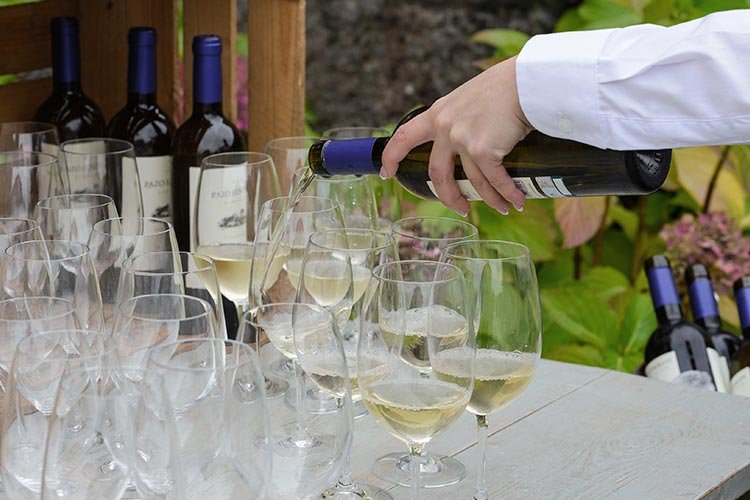
Take a detour to the Rías Baixas, coastal Galicia at its best: cool Atlantic inlets, fresh seafood and world-class Albariño white wines. Immerse yourself in the local wine, with tastings at global icons and small artisan wineries that’ll show you that Albariño is not one wine but a whole constellation. You’ll be well-fed along the way, from elegant tapas and local specialties to a full-on seafood feast at one of Spain’s seafood temples.
ALBARIÑO WINE TOUR IN GALICIA
Day 1 – Albariño Country
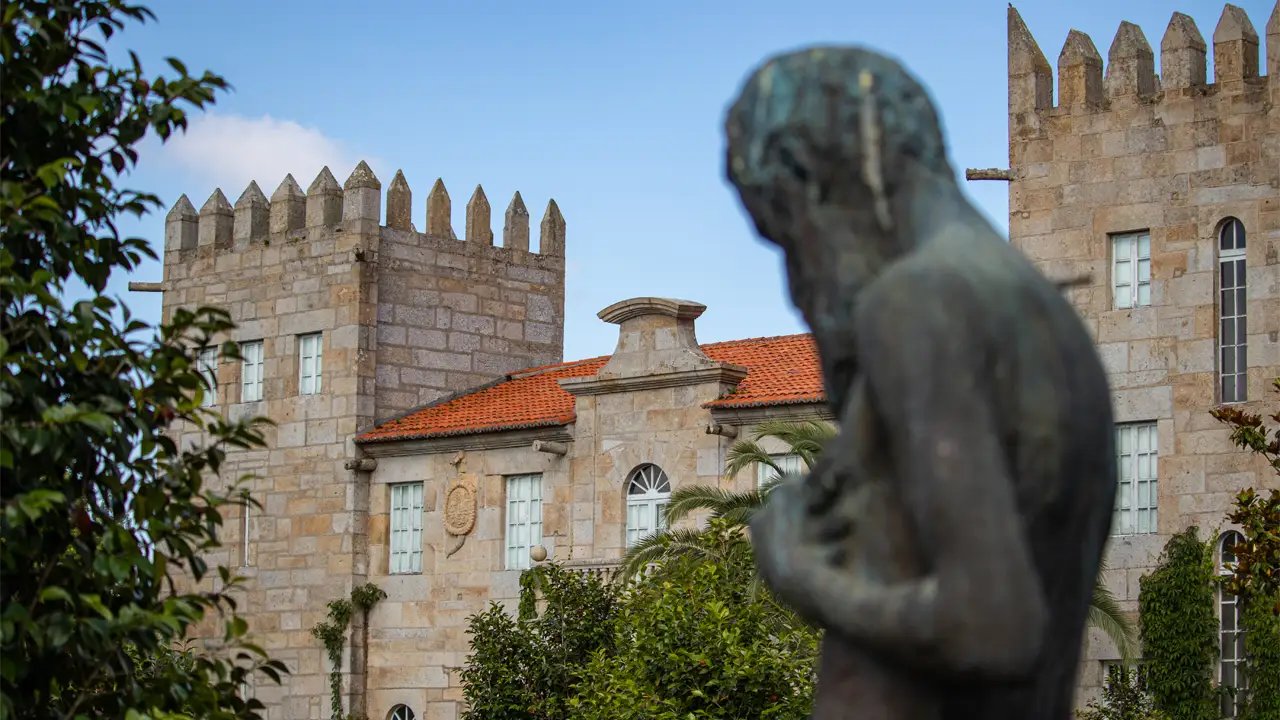
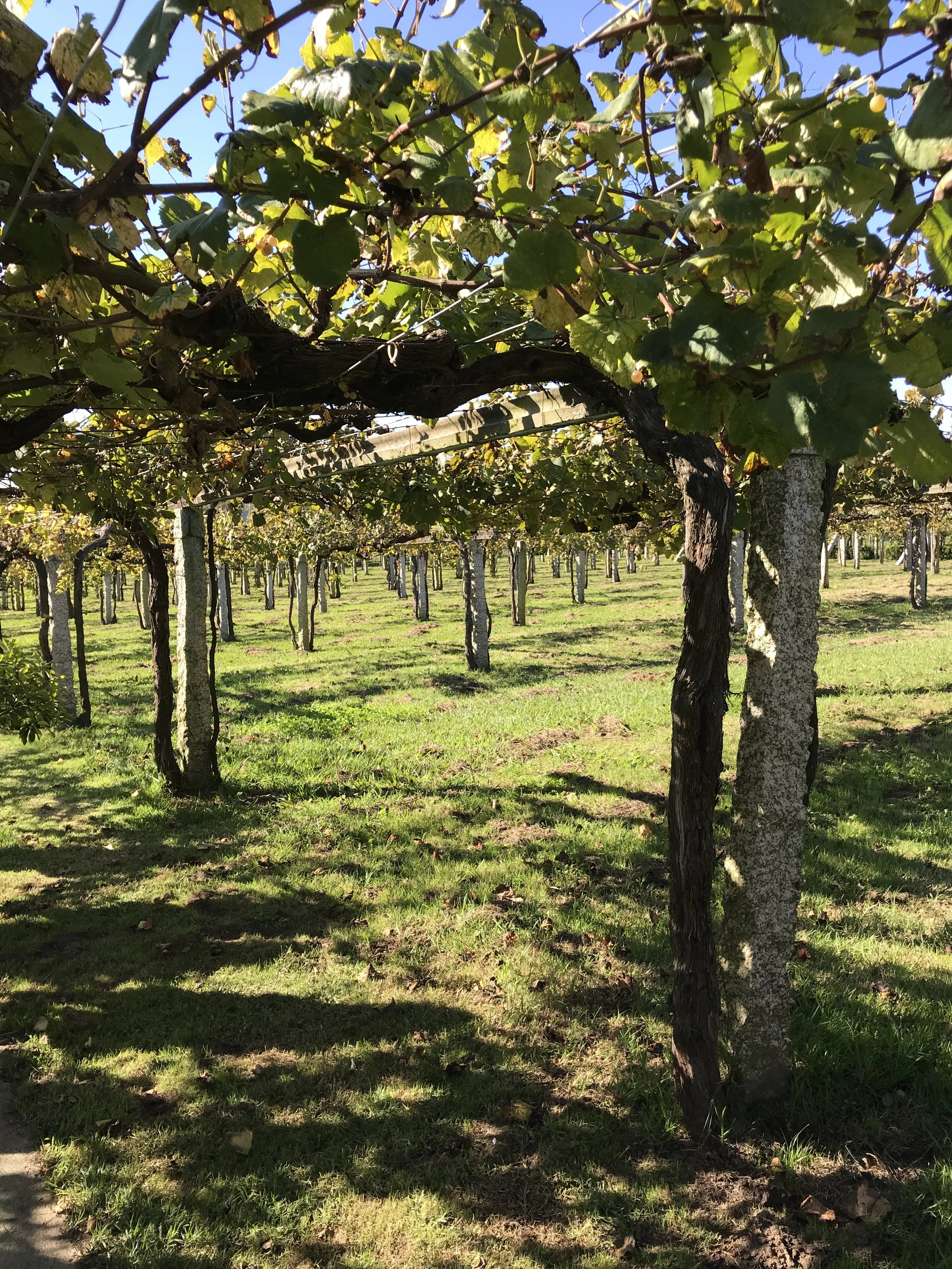
Leave the city behind for the green vineyards and blue waters of the Rías Baixas. This is Albariño country, the land of the white grape that brought Galicia’s wines world-wide fame. Granite houses and granite wineries and granite soils and granite posts to hold up the vines, all interspersed with inlets of the cold Atlantic. Start off at Granbazán, a sturdy stone manor house–a Galician chateau–surrounded by vines. The place is pretty enough you’d probably visit even if they didn’t make wine at all. It’s all Albariño, both unaged and aged. Your next visit is to Albamar, a tiny winery down a backroad. Xurxo Alba (winemaker and face of the place) makes low intervention Albariños from a patchwork of plots. His wines have become cult wines both in Spain and abroad. Come discover why.
Head to Pepe Solla’s very cool wine bar for a casual lunch. Chef Solla has two Michelin stars at Casa Solla, but his wine bar in the same building is relaxed and unpretentious. Daily specials, wines from the cellar of the fine dining restaurant and a soundtrack from Solla’s personal vinyl collection. The chef has a tendency to show up behind the bar! On the way to your hotel stop in Combarro, where the locals built hulking stone hórreos for drying fish right over the water. Dine in at Quinta de San Amaro’s restaurant which draws savvy locals for good food and has an outdoor terrace for a relaxing evening.
Day 2 – Pazos & Seafood
Time for some wine titans today. Visits to two pazos (Galician small palaces) that make great wine. Pazo Señorans is really lovely, an ivy-covered house with gardens and antiques and lots of good taste. Señorans makes world-class wine, liquid gold that helped convince skeptical Spaniards that Albariño could and should age. The Selección de Añada spends a decade or more aging on lees and becomes drastically more complex for it. Beg, borrow or steal your way into trying the small-batch orujo (Galician grappa) made here as it’s some of the best you’ll ever try.
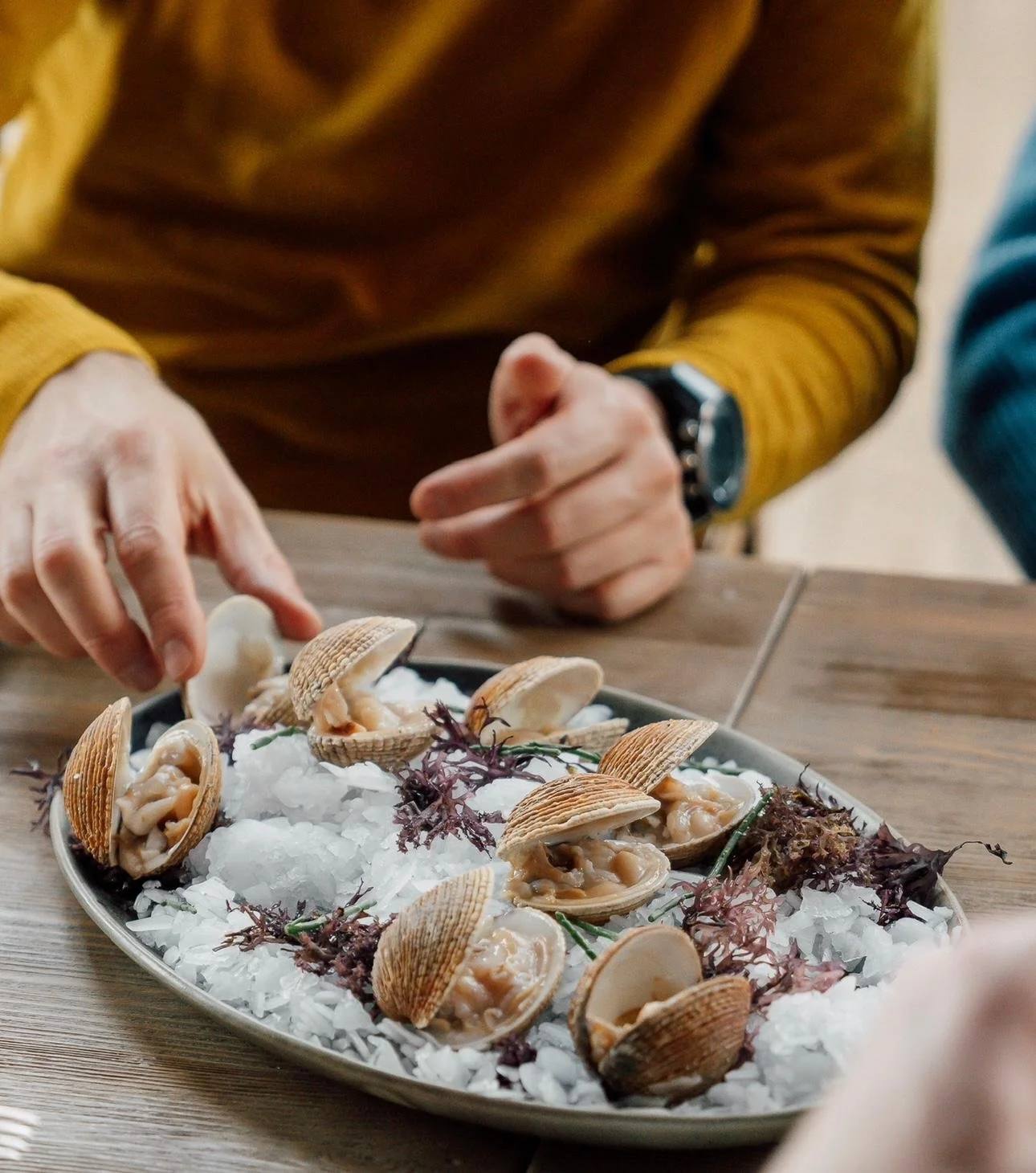
Then onto Pazo Baion formerly owned by a notorious drug trafficker. Today the wines are top-notch, complex Albariños. Lunch at D’Berto, a seafood pilgrimage site. This unassuming restaurant is known to lovers of bivalves and crustaceans as one of the best places in Spain to eat fresh seafood. Berto himself takes the role of host and his advice on what to order is worth following. Crabs and lobsters are specialties, alongside all kinds of shellfish and Berto’s handpicked fish and seafood. The extensive, thorough and carefully curated wine list features, among other treasures, sparkling Albariño, dozens and dozens of Champagnes, top-class Albariños from most every producer in Rías Baixas and the finest whites from Galicia vineyards in Ribeiro and Valdeorras. This is a place to unwind and celebrate seafood and wine in tandem.
Day 3 – Departure
Private transfer to the Santiago de Compostela, Vigo or Coruña airport or train station for departure.
WHERE YOU’LL STAY
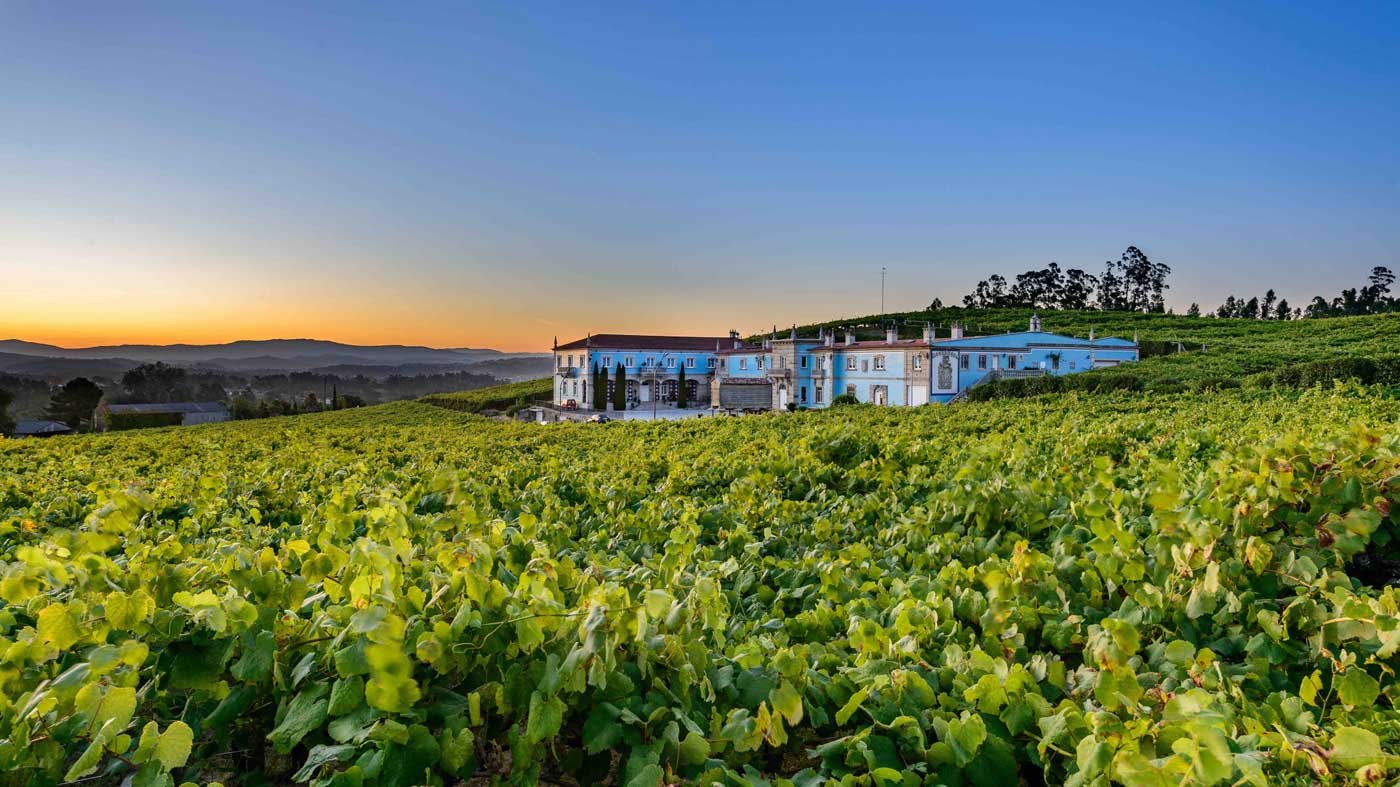
Quinta de San Amaro

Quinta de San Amaro is a beautiful countryside hotel right in the heart of Rías Baixas wine country. Peaceful and cozy, it's the kind of place that makes you want to stay as long as possible. The rooms are beautifully furnished and luxurious, and the public areas are full of spots to enjoy a glass of wine and relax. The quinta is also home to one of the area's best restaurants, serving elegant Galician dishes and with a wine list featuring excellent wines from Rías Baixas and other Galician regions.
Trips in Northern Spain
Galicia Wine Tour
Albariño and Seafood in Portugal & Spain
WHERE YOU’LL GO
GALICIA
The sun is noticeably weaker once you cross the mountains that separate Spain’s greenest corner from the bleached expanse that is the rest of the country. The buildings are always forming shadows that leave you cold even on warm days and the adapted locals can always be seen with a jacket nearby if out for more than a brief jaunt. You can feel winter coming here and get the sense that it is always coming, even at high noon. The covered walkways, stone arches over stone sidewalks, will soon beckon to native and pilgrim alike, but when the sun shines the terraces are teeming with life and no one wants to be inside.
Galicia is made of stone, physically and spiritually. You can see it in people’s eyes, their skin. They’ve been hewn from it, battered against the cold stone faces of the coastal cliffs, hauled boulders on their backs to clear their fields, carved it into blocks and tiles and even wheels. Like granite they’re slow to warm but once they do they stay that way, radiating intense energy that can fill a room. This is an old people, defined most of all by their ability to endure, to persist. The cities and towns and villages and pazos and walls are a testament to thousands of years of stubbornness.
The color that dominates the grey of stone is green. Everything is growing everywhere. Grass with exploding patches of clover. Trees with twisted arms covered in ivy and creepers. Thick underbrush with layers upon layers of saplings and bushes and vines and little plants with no name except in the old tongue. Every Gallego seems to need a stone house and a little piece of green land, a direct connection to the earth and its fertility. The little patches of greenery and the thick forests of the hills and mountains are the most noticeable differences from the rest of Spain, but they also speak to the character of the people. The Gallego has a fundamental mistrust of modernity and sophistication that stems from and manifests through their connection to the land. The fields and streams of the ancestral village are the source of truth and morality here. The great cities of Galicia have risen up with industry and culture, but the heart of each citizen lives in the forest with the pagan deities whose names are lost to time but whose significance has never waned.
GALICIAN CUISINE
Galician cuisine is famous for its seafood. Less well known are the inland dishes using beef, pork, octopus and garden produce. The pride of Galicia is pulpo, octopus caught laboriously in the rocky inlets of the coast but served all over the region, commonly in thin slices on a wooden plate and dusted with Spanish paprika. The coastal towns and cities seem to overflow with seafood that anywhere else would be reserved for the finest restaurants: white and blue fish perfect for grilling or baking; clams and mussels and a galaxy of shellfish with no real English translations; crabs and shrimp and lobsters and delicacies like percebes, alien-looking goose barnacles beloved by locals and visitors. The countryside cooking of Galicia reveres the pig and the cow, featuring sausages and hams and cheeses that change from village to village. The soups and stews of Galician home cooking are hearty and often use local greens and potatoes. It's a totally different cuisine from anywhere else in Spain, perhaps finding more kinship with the tables of northern Portugal, but Galicia is certainly among the best places in Spain to eat great food.
Galician cuisine combines the bounty of its extensive Atlantic coastline with the hearty flavors of the countryside and the mountains. To go with a distinct cuisine, you need distinct wines, and Galicia has an abundance of unique wine. The coastal areas of the Rías Baixas are home to the Albariño grape, the iconic Galician white and frequent companion of local seafood. The best Galician Albariños are among the greatest white wines available anywhere, with depth, complexity, and the potential to age for years in bottle. The inland regions of Galicia, less known than the coast, are home to several wine regions making truly stunning wines today. Ribeira Sacra, Valdeorras, and Bierzo form a trio of regions where the red Mencía and white Godello grapes dominate and produce widely varying styles of wine that transmit soil and geography into the glass. The rise of these regions has put Galicia on the global wine map for more than Albariño. Even lesser known Ribeiro, with its rich variety of indigenous grapes, has become a source of excitement. The subtlety of Galician wines is refreshing, but the quality speaks for itself. Galician wines are here to stay among Spanish wine royalty.
RÍAS BAIXAS
The coastal areas of the Rías Baixas are home to the Albariño grape, the iconic Galician white and frequent companion of local seafood. The best Galician Albariños are among the greatest white wines available anywhere, with depth, complexity, and the potential to age for years in bottle.
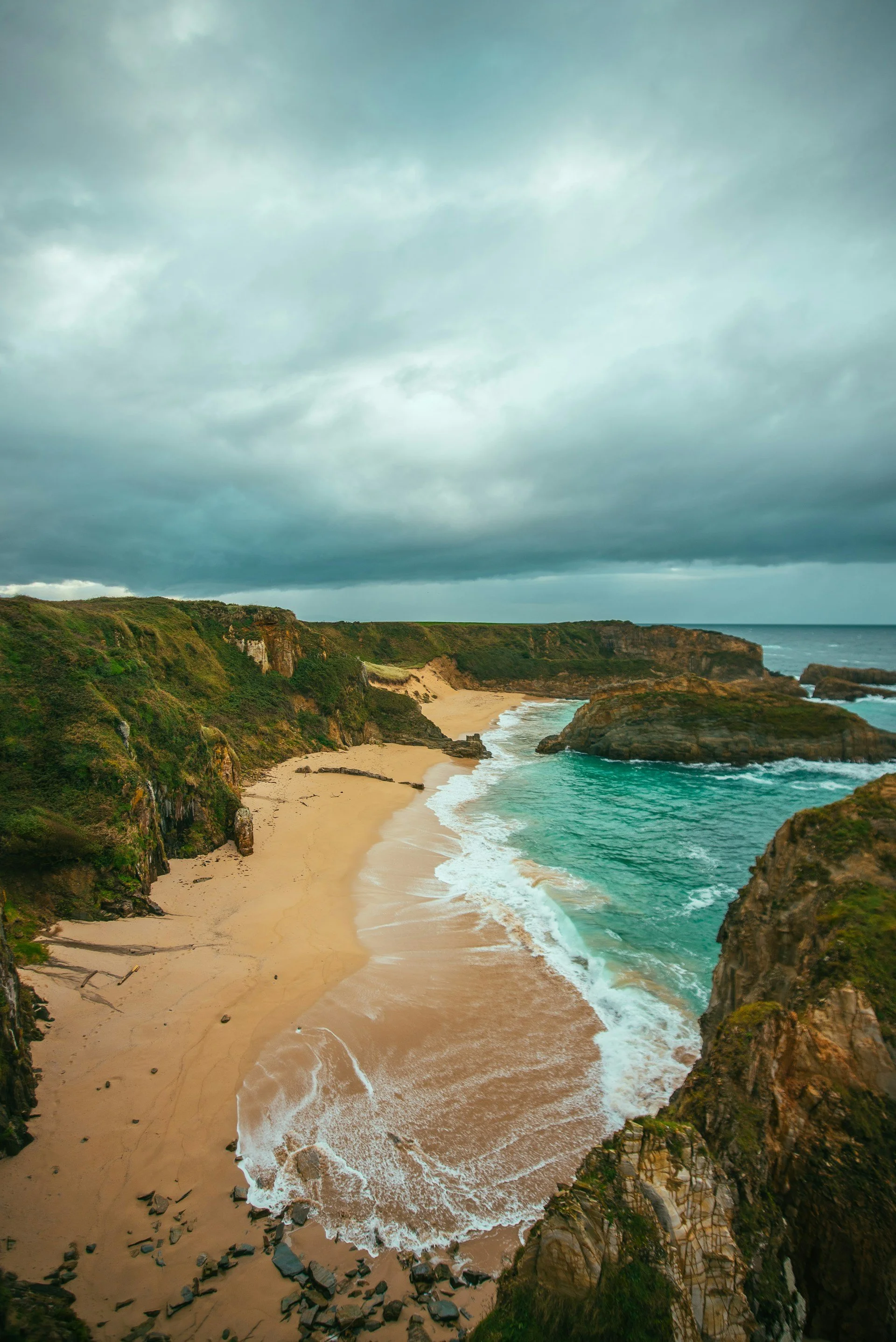
Rías Baixas is the most famous wine region in Galicia, though it is often known simply by its characteristic grape: Albariño. Rías are inlets of the Atlantic similar to fjords. They give the vineyards a very strong Atlantic influence, and the humidity means the vines must be trained on high trellises to prevent mildew. Nearly all wine here is white and dominated by Albariño. These wines are fresh and mineral with lively acidity that makes them the perfect pairing with the local seafood-dominated cuisine.
WHAT’S INCLUDED
2 nights hotel, double occupancy, breakfast daily, expert private guides, private tours, premium tastings at wineries, restaurant concierge service and all reservations, private luxury transport
NOT INCLUDED
flights to/from Spain or Portugal, gratuities to guides and drivers, travel insurance (recommended)
EPICUREAN WAYS ADVANTAGE
We pride ourselves on our discerning taste in hotels, a concierge approach to restaurants for you, and our long experience in the world of wine enabling us to select wineries worth visiting and arrange premium tastings at each winery.
You will be accompanied by a driver-guide during your wine touring. Your visits and tastings will be private and with the winemaker, a family member or an expert who knows the winery and the wines well. We work with the wineries to make sure that you taste the best and most representative wines during each visit. It is sometimes possible to arrange extended tastings that include old vintages or rare wines. We have an extensive group of wineries whose owners we know and with whom we work regularly, so we can guarantee high-level visits even if a winery has to be substituted. If you have an interest in visiting a particular producer please let us know.
We include restaurant concierge service as part of your trip. Note that our restaurant suggestions are just that–suggestions. Places we love, places to go back to time after time. We recommend these places after years of experience eating in Spain and Portugal together with frequent research and input from our local partners. We aspire to guide your choices with information on the styles of cuisine and restaurants; the choice on where to eat is yours based on your preferences and desires.
We have extensive experience with hotels ranging from 5-star luxury properties to private boutique hotels. Let us know your preferences and we will tailor the hotel choices for you.
All tours, experiences and hotels are subject to availability and will be confirmed upon booking the trip.
TRIP PRICES
Note that we can customize this trip for you. Add days in your arrival or departure city or in other locations or make changes to the experiences, winery visits, restaurants, or hotels included in the trip. Whatever it is, we’re here to work with you. Once you’re happy with the trip plan and have some idea of your dates we will send you the price.