
GALICIA
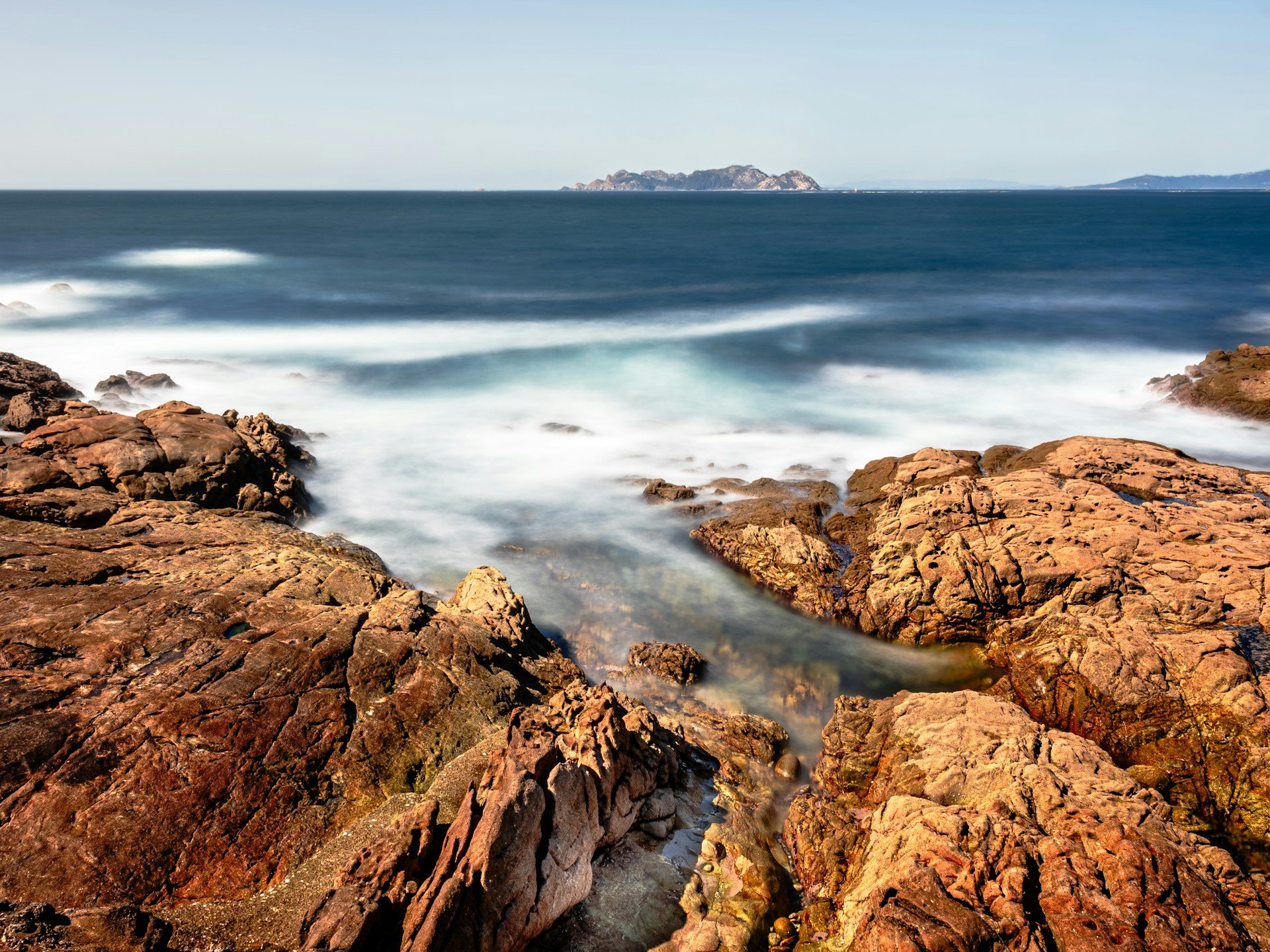
Once you cross the mountains that separate Spain’s greenest corner Galicia from the sunny expanse that is the rest of the country things are suddenly different. Galicia is made of stone, waves battering against the cold stone faces of the coastal cliffs, boulders hauled to clear their fields, granite carved into blocks and tiles and even wheels. Like granite Galicians can be slow to warm but once they do they stay that way, radiating intense energy that can fill a room. This is an old people, defined most of all by their ability to endure, to persist. The cities and towns and villages and pazos and walls are a testament to thousands of years of resilience.
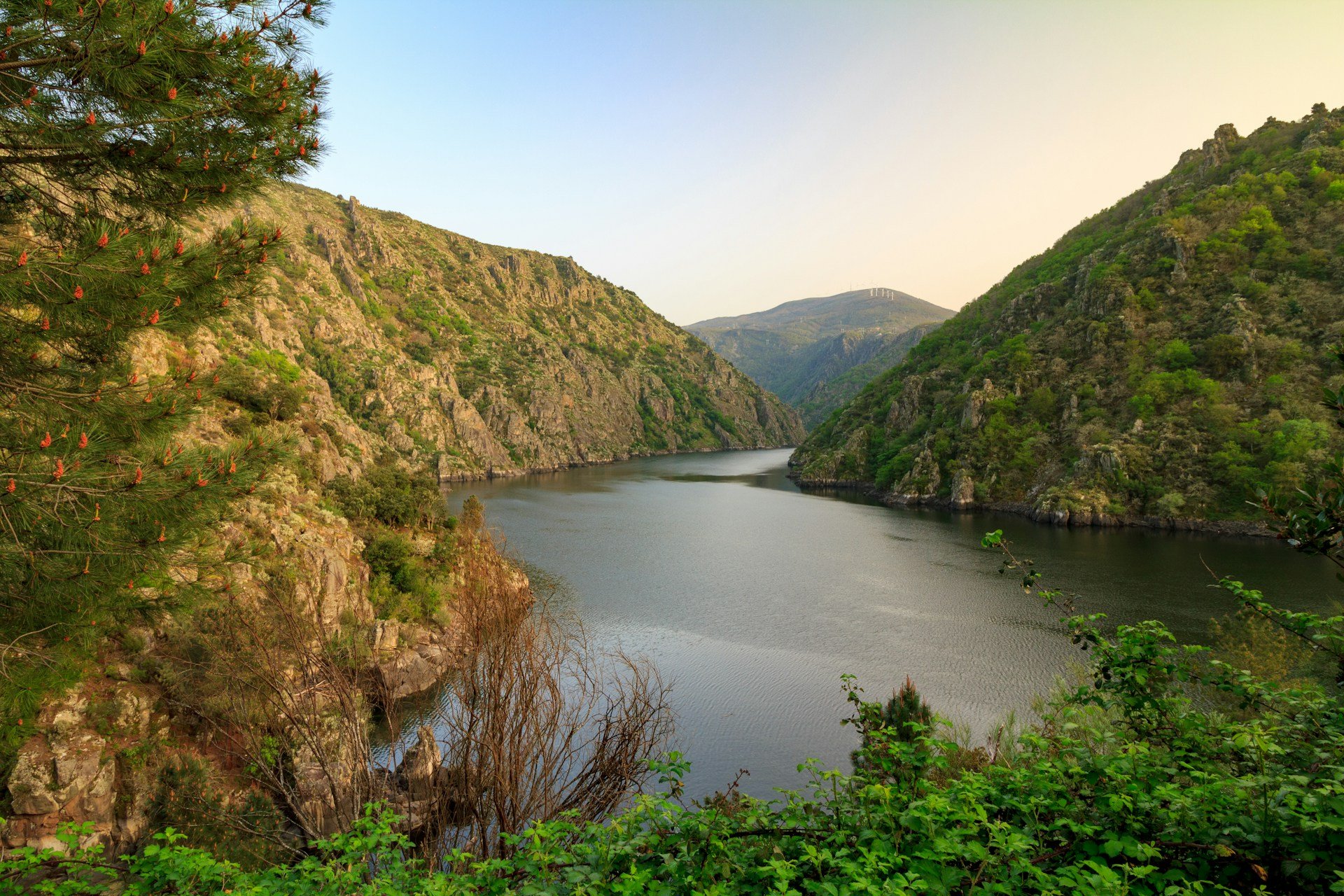
The color that dominates the grey of stone is green. Everything is growing everywhere. Grass with exploding patches of clover. Trees with twisted arms covered in ivy and creepers. Thick underbrush with layers upon layers of saplings and bushes and vines and little plants with no name beyond Galicia’s borders. Every Gallego seems to need a stone house and a little piece of green land, a direct connection to the earth and its fertility. The little patches of greenery and the thick forests of the hills and mountains are the most noticeable differences from the rest of Spain. The great cities of Galicia have risen up with industry and culture, but the region’s spirit lives in the forest, the hills, the fields.
Among the greenery, grapevines thrive. Galicia’s cool climate produces white and red wines with a freshness unheard of in other parts of Spain. The coastal inlets of the Rías Baixas are the land of Albariño, the star white grape of Galicia, making bright, Atlantic wines perfect for seafood feasts. In the Galician interior, you’ll find a wealth of wines, including the rich white blends of Ribeiro, aromatic reds from the near-vertical vineyards of Riberia Sacra and world-class Godello whites from slate-soiled Valdeorras.
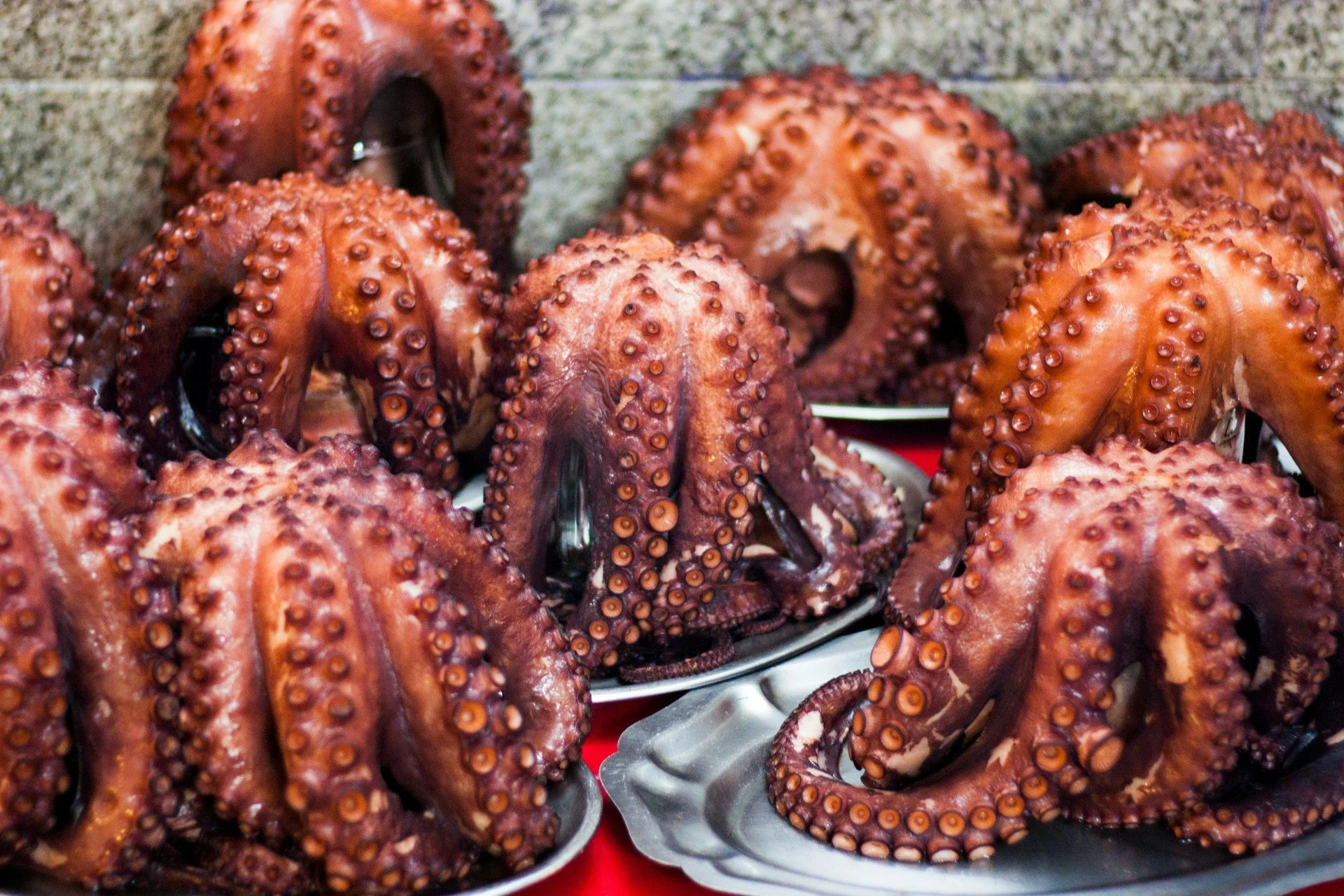
Galician cuisine is famous for its seafood. The coastal towns and cities seem to overflow with seafood that anywhere else would be reserved for the finest restaurants: white and blue fish perfect for grilling or baking; clams and mussels and a galaxy of shellfish with no real English translations; crabs and shrimp and lobsters and delicacies like percebes, alien-looking goose barnacles beloved by locals and visitors. The pride of the Galician waters is pulpo, octopus caught laboriously in the rocky inlets of the coast but served all over the region, commonly in thin slices on a wooden plate and dusted with Spanish paprika.
Less well known than seafood are the inland dishes using beef, pork, garden produce and plenty more octopus. The countryside cooking of Galicia reveres the pig and the cow, featuring sausages and hams and cheeses that change from village to village and grilled beef steaks from the local Rubia Gallega cow. The soups and stews of Galician home cooking are hearty and often use local greens and potatoes. It's a totally different cuisine from anywhere else in Spain, perhaps finding more kinship with the tables of northern Portugal, but Galicia is certainly among the best places in Spain to eat great food.
What to Expect in Galicia
Santiago de Compostela
What to expect
Mysterious corners of old-town Santiago
Camino de Santiago pilgrims all over the place
Legendary tapas bars
Don’t miss
The Botafumeiro giant swinging censer (incense burner) in the Cathedral
The rooftop of the Cathedral
A Coruña
What to expect
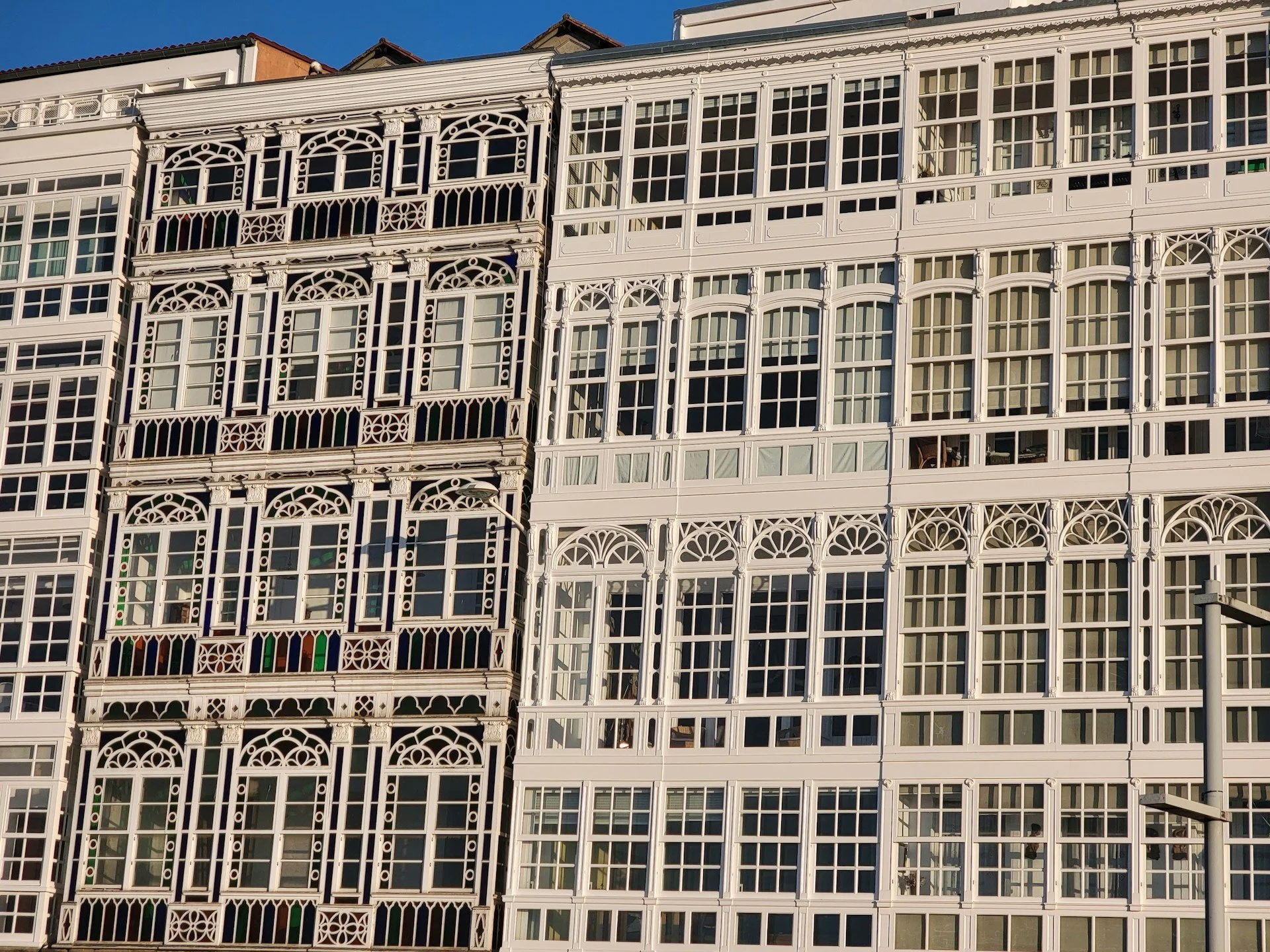
Coruña-style windows
Tapas bars filled with locals
Seafood restaurants around every corner
Don’t miss
Taste local-producer canned seafood
Heaps of fish and shellfish at Coruña’s market
Stroll the picturesque waterfront
Rías Baixas wine region
What to expect
Wineries in Galician manor houses and wineries in sheds
Shellfish from lobster, shrimp and clams to barnacles, oysters and octopus
The ecstasy of pairing Albariño with shellfish
Atlantic breezes
Don’t miss
Val do Salnés for world-class Albariño
Countryside hotels
Relaxing with a bottle of wine
Ribeiro wine region
What to expect
Rich white wines made from blends of local grapes.
Historic villages along the river
Vineyards spread across green, rolling hills
Don’t miss
Rustic local dishes of meat and plenty of octopus
The historic Jewish Quarter of wine village Ribadavia
Ribeira Sacra wine region
What to expect
Rural tranquility
Near-vertical vineyards sloping down to the river
Refined, cool-climate reds made from Mencía
Don’t miss
Winery tasting rooms with panoramic views
Rare white Ribeira Sacra wines made from Godello and near-forgotten local grapes
Valdeorras wine region
What to expect
Spain’s finest white wines made from Godello grown on slate
Old-world cuisine with fine wines
Don’t miss
Small-producer Godellos
Galicia Trips
ALBARIÑO WINE TOUR IN GALICIA
Santiago de Compostela → Rías Baixas → Santiago de Compostela
2 nights
ALBARIÑO & SEAFOOD IN PORTUGAL & SPAIN
Porto → Vinho Verde → Rías Baixas → A Coruña
6 nights
GALICIA WINE TOUR: FINE WINES IN GREEN SPAIN
Santiago de Compostela → Rías Baixas → Ribeiro→ Ribeira Sacra→ Valdeorras
6 nights