


Rías Baixas in Galicia, Spain, is the most famous wine region in Galicia, though it is often known simply by its characteristic grape: Albariño. Rías are inlets of the Atlantic similar to fjords.

Ribera del Duero occupies the position of challenger to Rioja’s dominance in Spanish red wine. Learn about some of the most important producers to visit to see the best of the old and the new in Ribera del Duero.
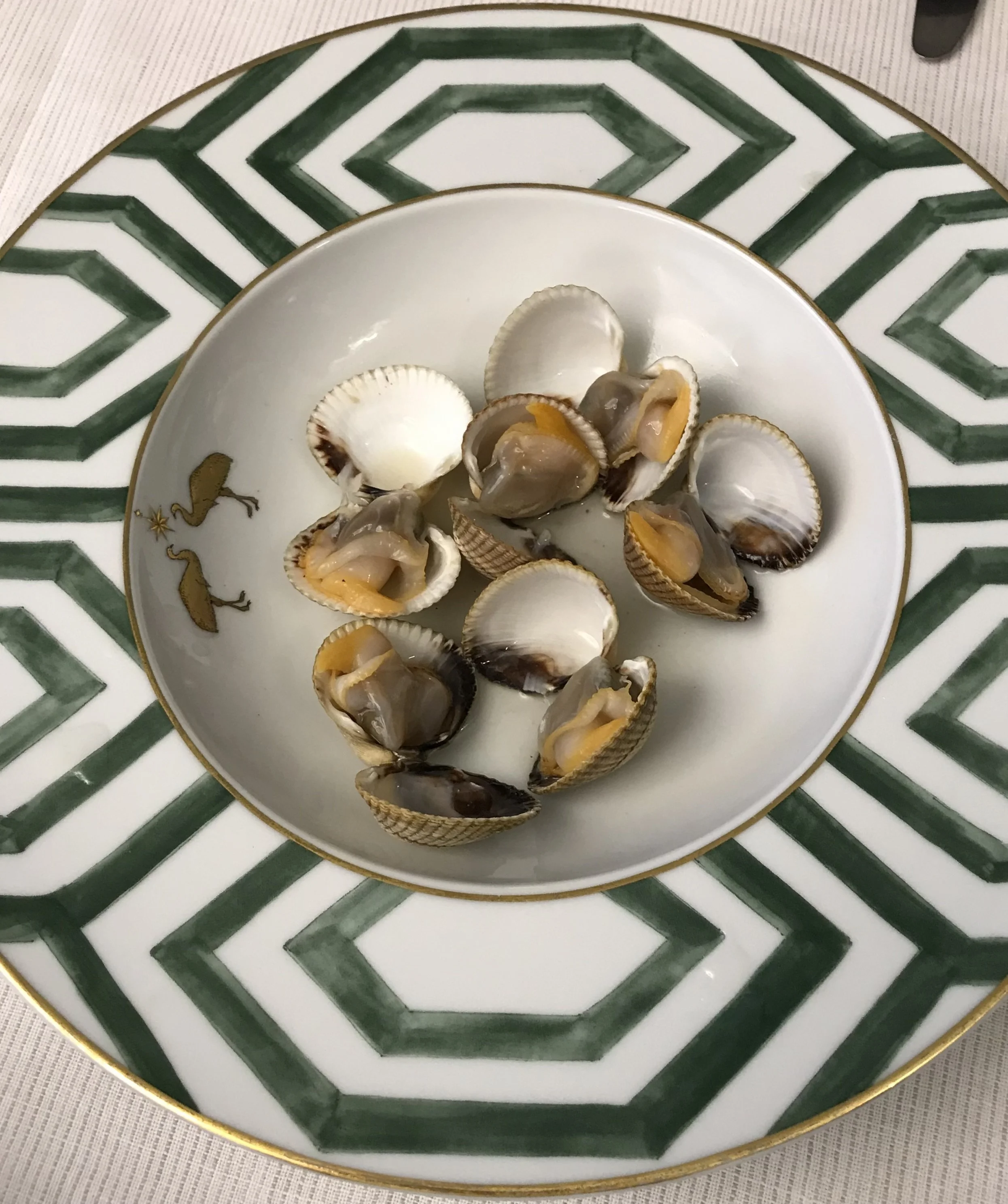
The Rías Baixas in Northwest Spain's Galicia has to crystalline white Albariño wine, tranquil beaches and picturesque villages. It’s also one of the best places in Spain to eat a wealth of Atlantic seafood. Expect mussels, clams, oysters, lobsters, crabs and much more. Here is a small selection of fascinating restaurants, from seafood temples to creative Michelin star restaurants.
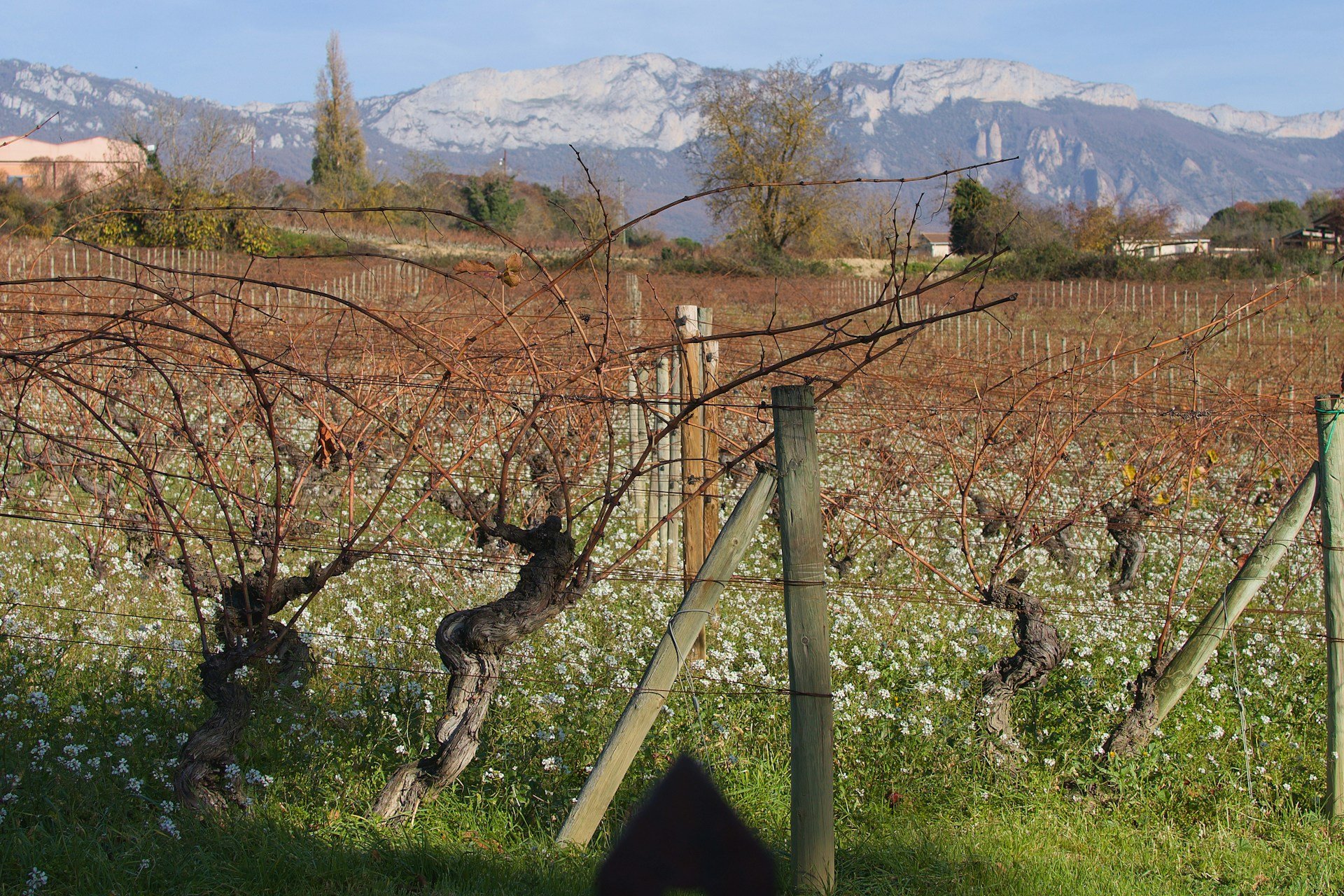
The two most important things when visiting wine country are good wine and good food. In Rioja the confluence of local and regional ingredients and refined cooking techniques trickling in from the nearby Basque Country has created a culinary landscape that matches the depth of the local wine culture.
Madrid, Spain’s sprawling, cosmopolitan capital, happens to be the best place in the country to drink wine. Just as Madrid’s cuisine brings together influences from all over Spain, Madrid wine lists feature the best wines from every corner of the country.
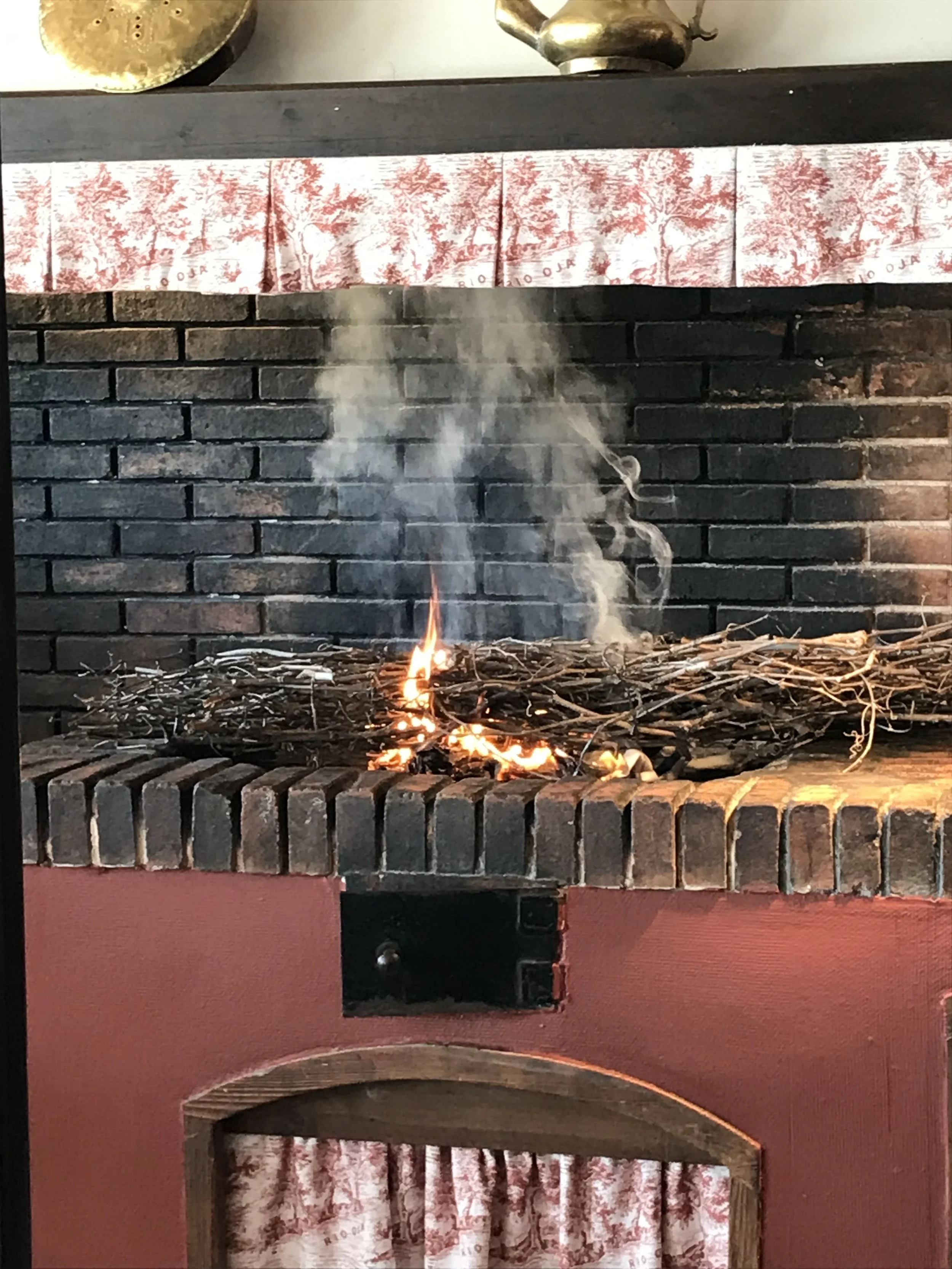
You may not think of Spain as one of the best places in the world to eat meat, but it is. Spaniards are carnivorous at heart, eating all parts of the local domesticated animals with enthusiasm and in various preparations. There’s one kind of meat cooking that stands above all others in Spain, however: fire cooking.